Climate-Adapt4EOSC consortium meets in Manchester for its 4th General Assembly and thematic seminar
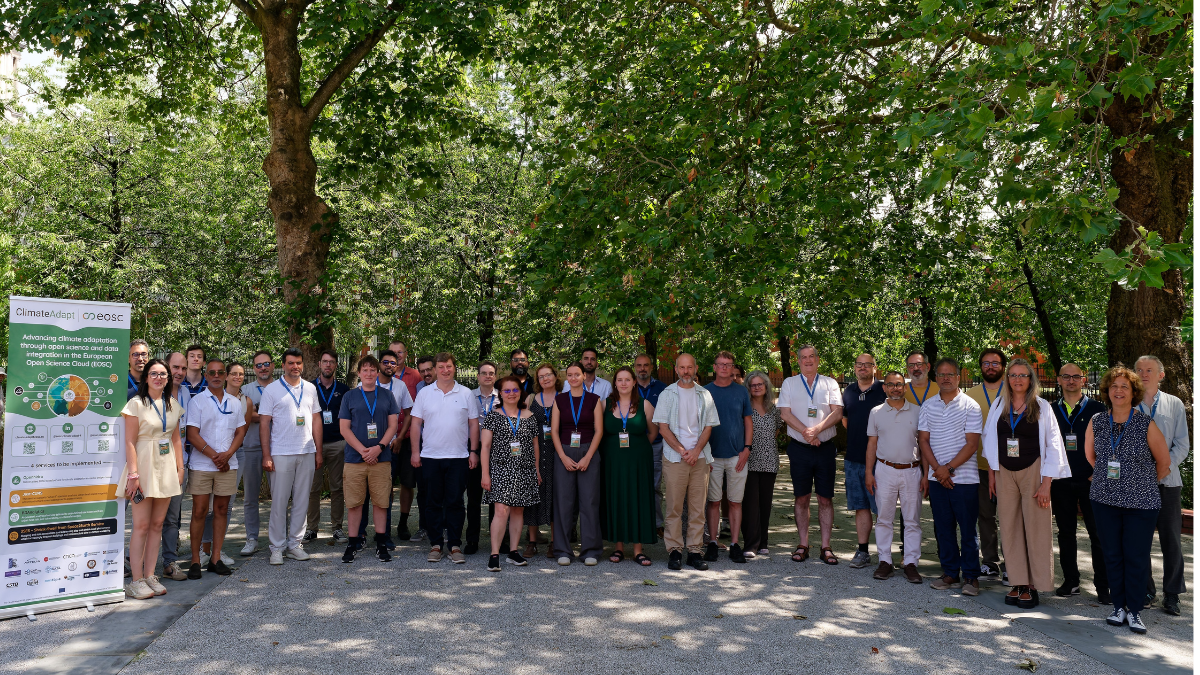
From 24 to 26 June 2026, the Climate-Adapt4EOSC consortium gathered in Manchester, UK, for its 4th General Assembly, hosted by The University of Manchester. Over three days, project partners from across Europe reviewed project progress, discussed upcoming activities and explored new opportunities for collaboration to advance FAIR and interoperable climate adaptation data within the European Open Science Cloud (EOSC) ecosystem.
Reviewing progress across the project
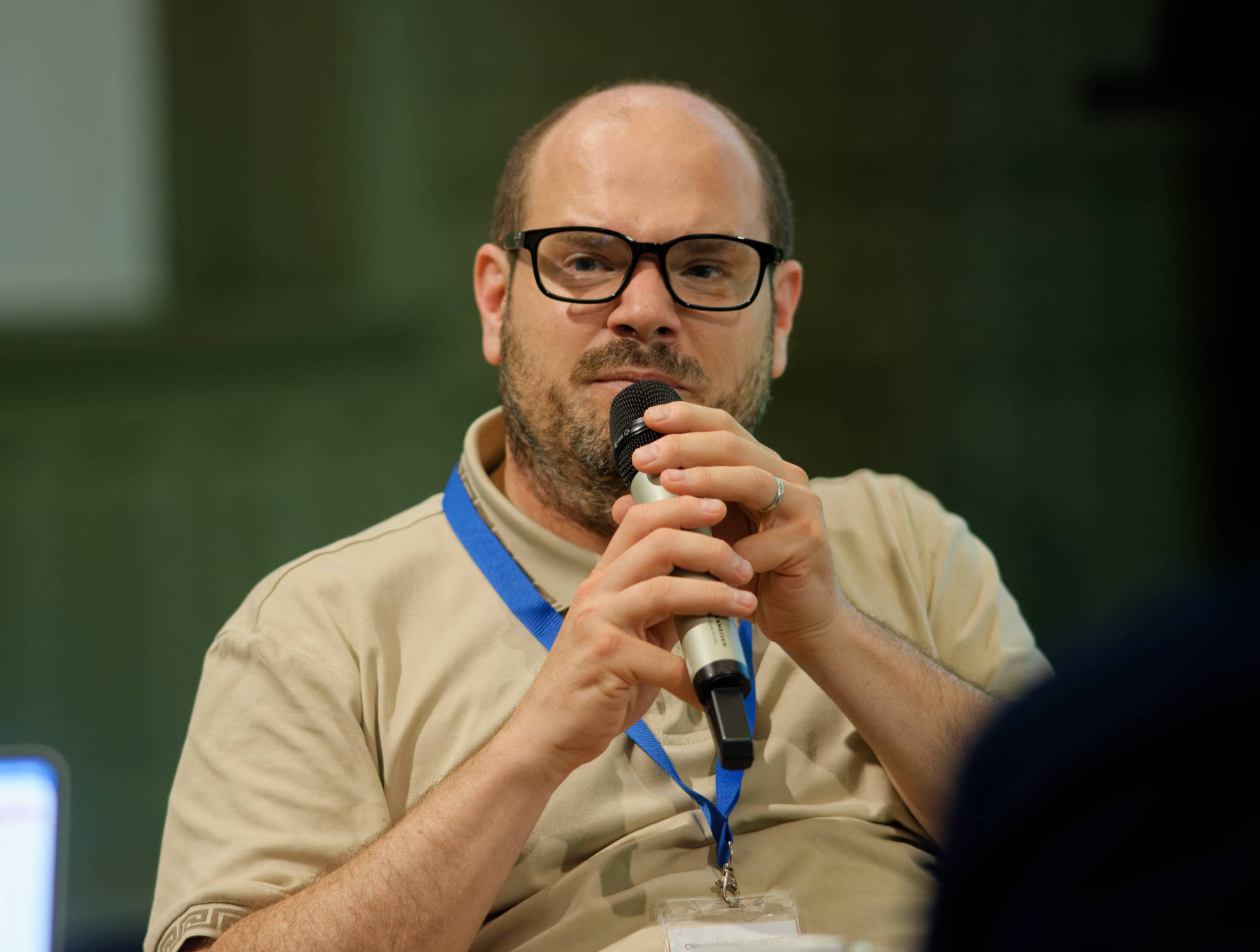
The first day of the General Assembly provided an opportunity for consortium members to assess progress across the project’s work packages and use cases, while aligning on priorities for the coming months.
Discussions focused on the advancement of the project’s three Use Cases, highlighting ongoing developments supporting climate risk assessment, adaptation planning and climate resilience applications. Partners also reviewed progress on legal and organisational interoperability requirements, as well as the tools and methodologies being developed to facilitate cross-domain and cross-border data sharing.
A dedicated FAIRification workshop enabled participants to explore practical approaches to improving the FAIRness of climate adaptation data. Using the Generic Statistical Business Process Model (GSBPM) framework, partners examined how climate-related datasets can become more interoperable, reusable and machine-actionable.
Additional sessions provided updates on the 3SES platform, the Big Data Analytics Framework, EOSC onboarding activities and dissemination and communication efforts supporting stakeholder engagement and project impact. Participants also explored innovative approaches to AI-assisted translation technologies supported through CDIF and Croissant, demonstrating how emerging technologies can contribute to multilingual accessibility and knowledge sharing.
Advancing FAIRification, interoperability and collaboration
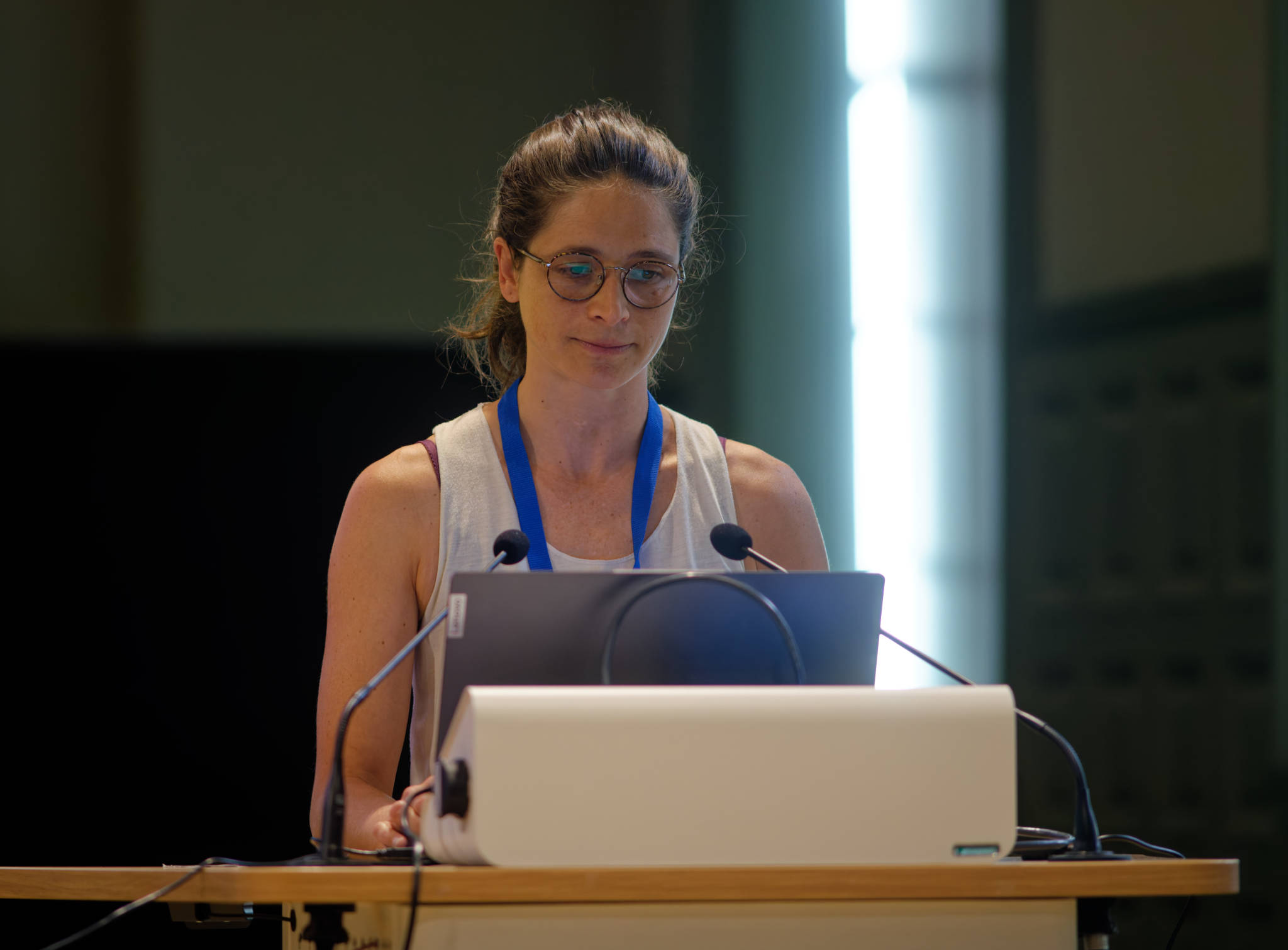
The second day focused on practical solutions and collaborative approaches to strengthen FAIR data management and interoperability for climate adaptation research and services.
Several key Climate-Adapt4EOSC developments were presented, including the Climate Adaptation Toolkit, the FAIRification Framework, the Cross-Domain Interoperability Framework (CDIF) and the project’s roadmap towards wider adoption and sustainability.
Technical demonstrations showcased the project’s ETL pipeline, adaptation tools and climate ontologies, illustrating how semantic technologies can improve data discoverability, interoperability and reuse across research infrastructures and application domains.
A major highlight of the day was the joint session organised with the FAIR2Adapt project. Bringing together experts from both Horizon Europe initiatives, the session fostered knowledge exchange on FAIR data implementation, semantic interoperability and climate adaptation services. Participants identified common challenges, discussed complementary approaches and explored opportunities for future collaboration between the two projects.
The interactive discussions throughout the day reinforced the importance of cooperation across scientific communities, infrastructures and disciplines to address the growing challenges posed by climate change.
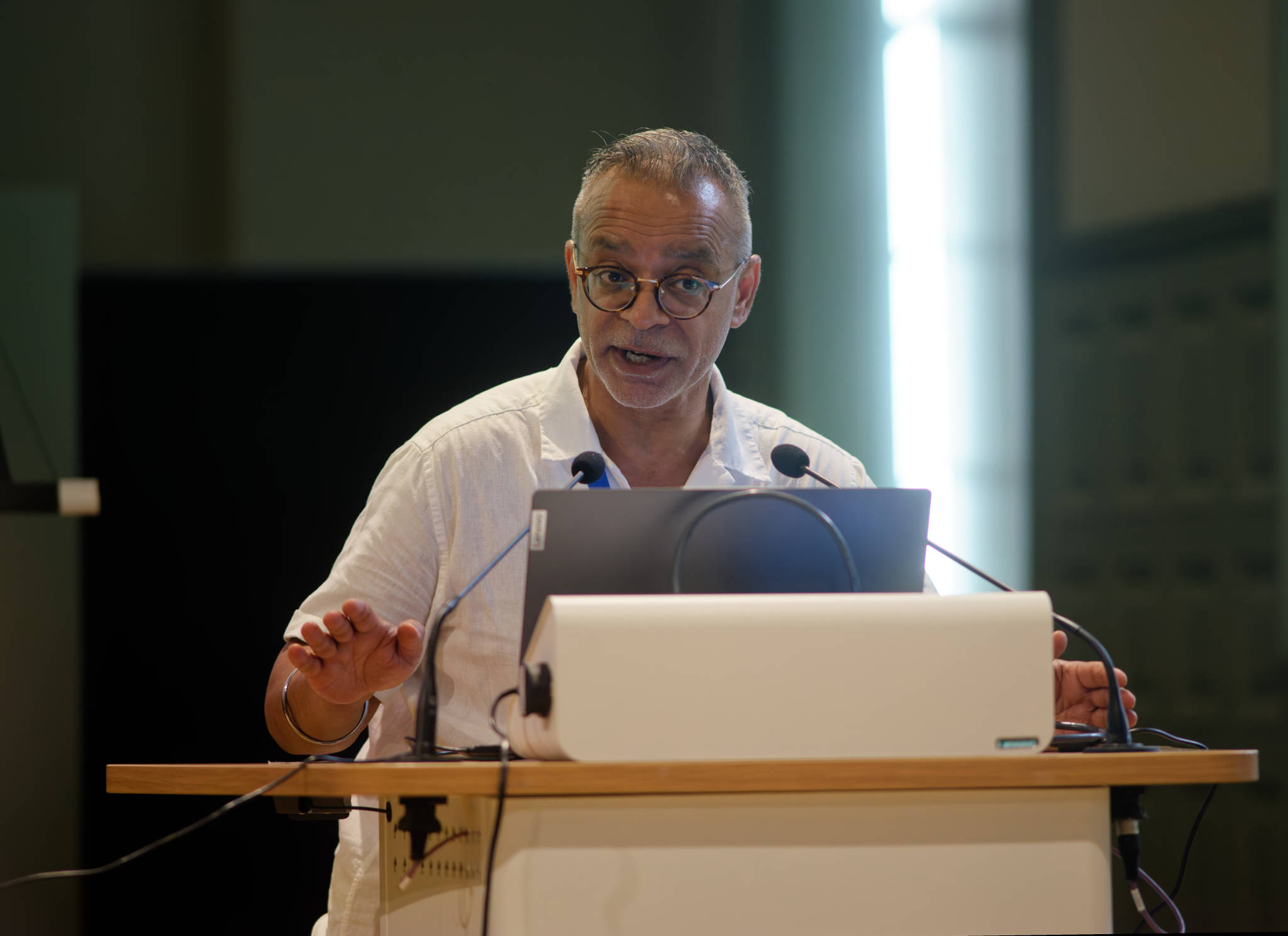
Thematic Seminar: Bridging the Gap Between FAIR Data and Climate Resilience
The General Assembly concluded on 26 June with a thematic seminar on the theme of “Bridging the Gap: Implementing a FAIR Data Exchange Framework for Climate and Environmental Resilience”.
The hybrid event brought together researchers, data practitioners, policymakers and infrastructure experts from across Europe and the United Kingdom to discuss how FAIR data principles can be translated into practical solutions for climate and environmental research.
The seminar included presentations from leading experts, including:
- Sarah Sharples, The University of Manchester
- Stian Soiland-Reyes, The University of Manchester
- Markus Kraft, University of Cambridge
- Richard Taylor, Stockholm Environment Institute (SEI)
- Alexandra Kokkinaki and Gwenaelle Moncoiffe, National Oceanography Centre
- Gordon Blair, UK Centre for Ecology & Hydrology (UKCEH)
- Experts from NCSR Demokritos and the GO FAIR Foundation
Presentations and discussions addressed a wide range of topics, including FAIRification of climate and environmental data, semantic interoperability, machine-actionable metadata, data governance, legal interoperability, FAIR Digital Objects and the role of digital research infrastructures in supporting climate adaptation.
Speakers also explored how interoperable and FAIR data ecosystems can contribute to building more resilient cities and communities while strengthening collaboration between European and UK research and innovation stakeholders.
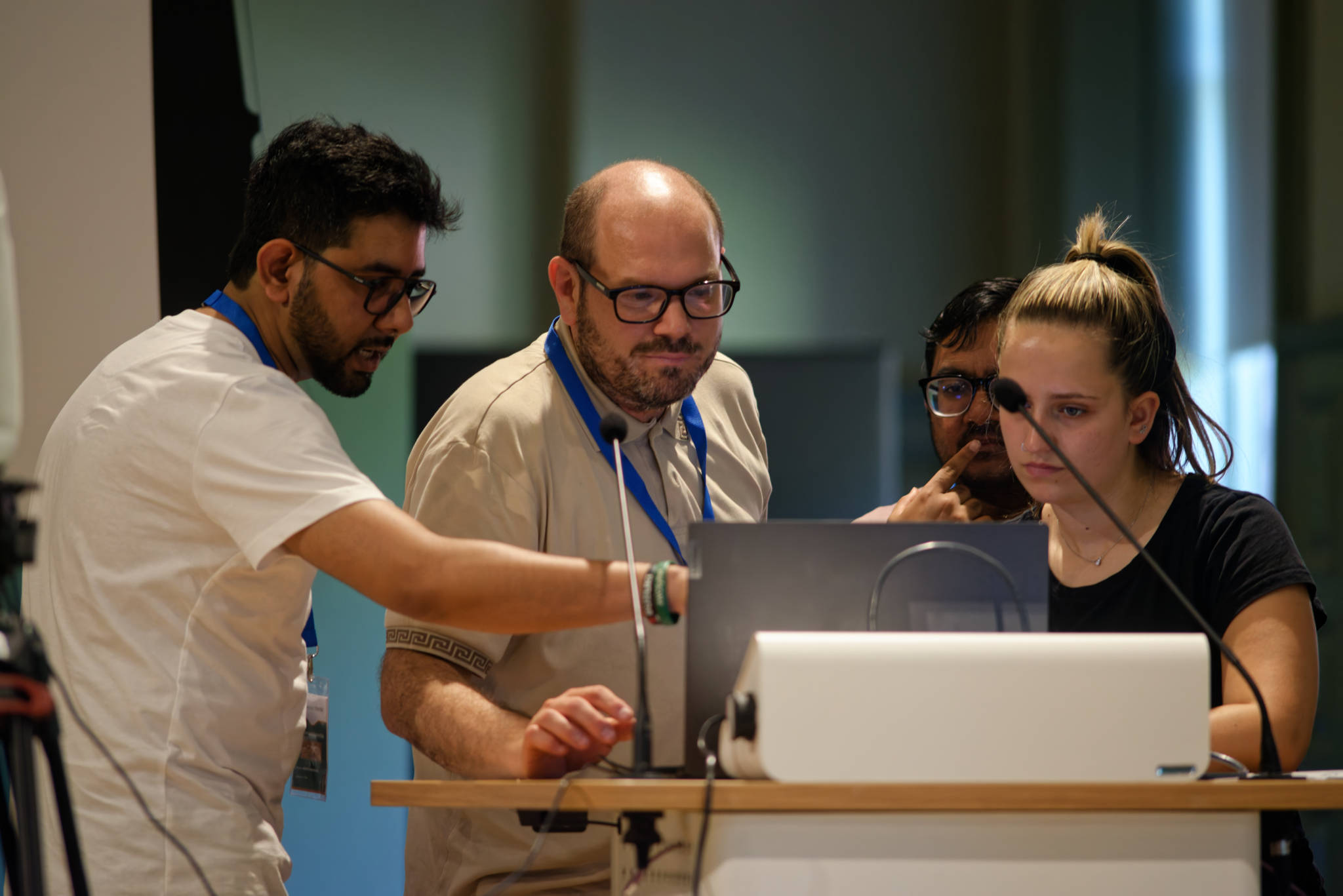
Strengthening the EOSC community
The Manchester General Assembly provided a valuable opportunity for consortium partners and external stakeholders to exchange knowledge, share experiences and collectively shape the next phase of the project.
The event highlighted the strong progress achieved by Climate-Adapt4EOSC since its launch and reinforced the consortium’s shared commitment to improving access to climate adaptation knowledge, services and data through FAIR and interoperable approaches.
The consortium would like to thank The University of Manchester for hosting the event, all speakers for their valuable contributions and all participants for helping make the discussions productive and impactful.