Climate-Adapt4EOSC Third General Assembly in Aveiro: advancing coordination, use cases and climate adaptation services within EOSC
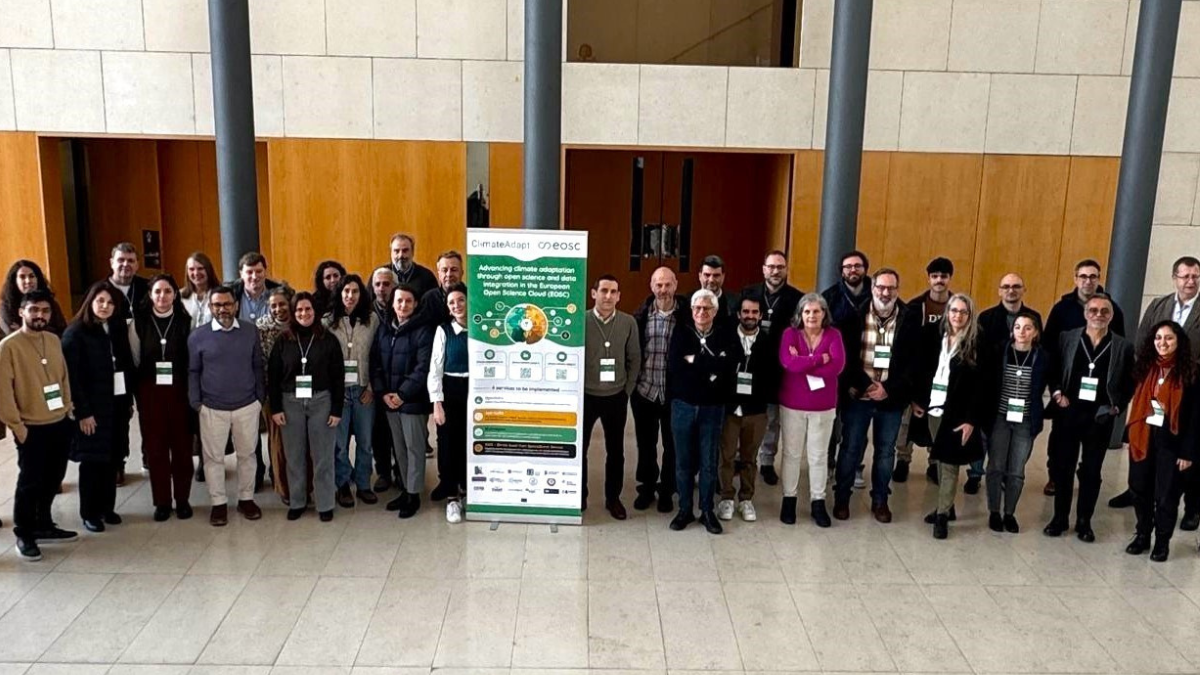
The third General Assembly of the Climate-Adapt4EOSC project took place from 3 to 5 February 2026 at the University of Aveiro, Portugal. This in-person meeting brought together the full consortium for three days of structured exchanges, technical discussions and strategic alignment, at a key moment in the project’s implementation.
The General Assembly provided a dedicated space to review progress across work packages and use cases, validate priorities, address technical and operational challenges, and collectively define the next steps towards the delivery of interoperable and sustainable climate adaptation services within the European Open Science Cloud (EOSC).
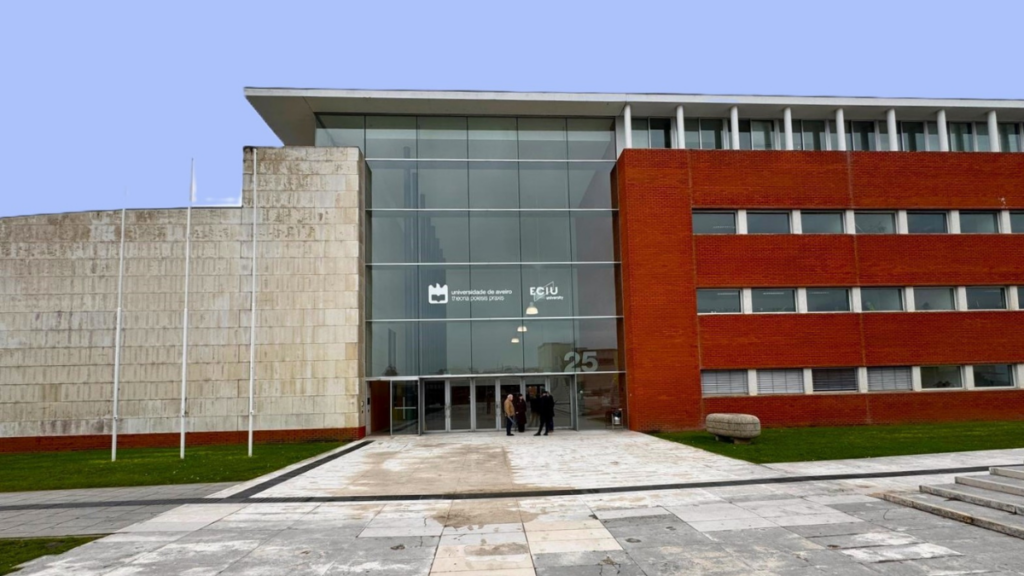
Day 1 – Project overview, use case progress and field visit in Aveiro
The first day officially opened with a comprehensive project overview delivered by the project coordinator, Thanasis Sfetsos, setting the scene for the General Assembly and recalling the project’s overall objectives, milestones and expected impacts. This introductory session was followed by a series of interventions from consortium partners.
Presentations from Kollol Chakraborty of Technovative Solutions LTD (TVS), Nick Juty of The University of Manchester, Matti Heikkurinen and Vyacheslav Tykhonov of CODATA and Feroz Farazi of the University of Cambridge. Later in the morning, Tom Mackenzie and Clothilde B. from G.A.C. Group (GAC) France delivered an overview on communication and dissemination activities. , with an overview of ongoing actions, performance indicators and upcoming priorities. This session underlined the importance of ensuring visibility, uptake and long-term exploitation of project results across scientific, policy and practitioner communities.
Then, a focus on progress updates across the three Climate-Adapt4EOSC use cases, enabling partners to assess achievements to date, identify remaining gaps and discuss alignment across territories and thematic areas:
-
Use Case 1 – Greece (Aigaleo) by NCSRD, EGL and NOA: partners presented progress on the development and testing of climate adaptation services in an urban Mediterranean context, with a particular focus on local risk assessment and decision-support needs.
-
Use Case 2 – Portugal (Centro Region) by LNEC: updates highlighted advances in regional-scale climate data integration, stakeholder engagement and the application of adaptation tools in a coastal and lagoon-based environment.
-
Use Case 3 – France (Metropolitan territory) by ARTELIA, CSTB, BRGM and DATA4: partners reported on methodological developments and service deployment across diverse climatic and territorial contexts, illustrating the scalability and robustness of the project’s approach.
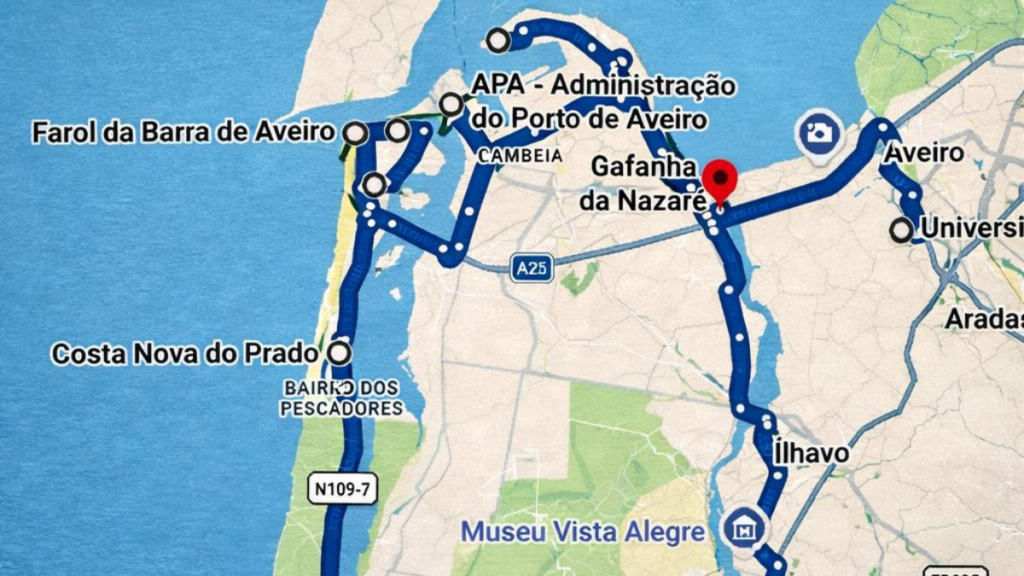
Field visit in Aveiro: illustrating coastal climate challenges
In the afternoon, the consortium took part in a field visit in and around the city of Aveiro, offering a concrete illustration of climate risks affecting Atlantic coastal territories. With more than 80,000 inhabitants, Aveiro is characterised by a strong interaction between urban areas, sensitive natural ecosystems and strategic economic infrastructures.
Day 2 – Technical workshops and intensified collaboration
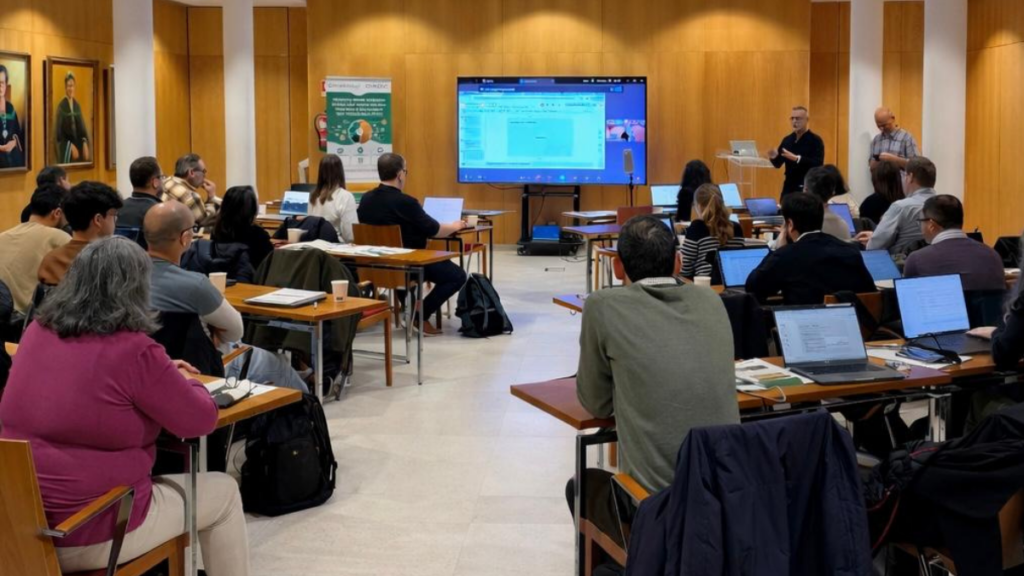
The second day of the General Assembly was dedicated to in-depth technical discussions and hands-on collaborative work. The programme featured thematic workshops focusing on frontrunner use cases, allowing partners to engage directly with methodological choices, technical architectures and service integration challenges.
A keynote presentation delivered by an external expert, Darren Bell from the UK Data Service, provided additional insights into data services and user-oriented approaches, feeding into broader reflections on interoperability, usability and sustainability within the EOSC ecosystem. Parallel sessions further encouraged cross-use-case collaboration, fostering knowledge exchange and convergence between teams working on different territorial and thematic contexts.
By the end of the day, the consortium reaffirmed its collective commitment to coordinated delivery, technical excellence and long-term impact, ensuring that Climate-Adapt4EOSC services remain aligned with EOSC principles and user needs.
Day 3 – Consolidation, synergies and strategic outlook
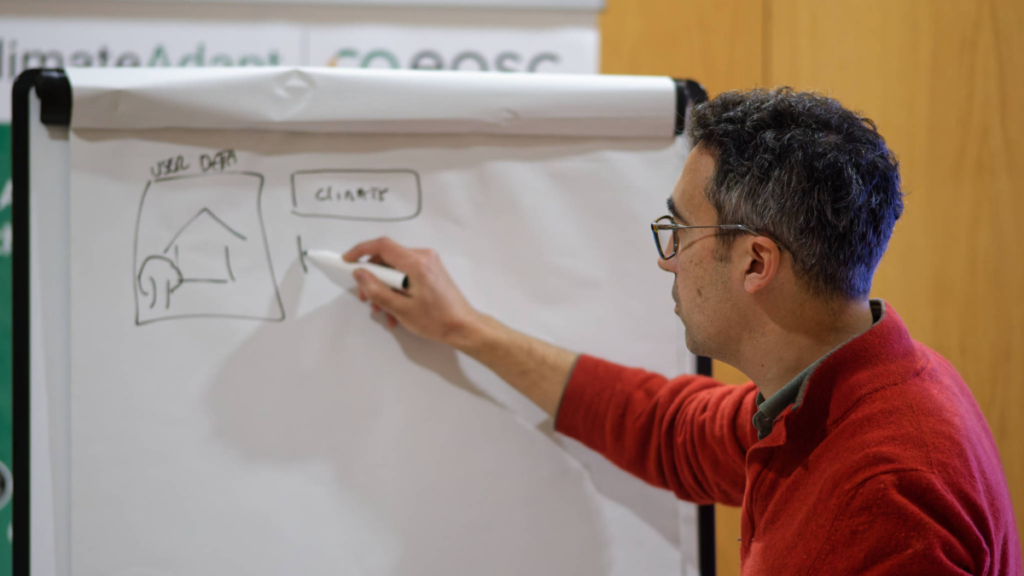
The final day of the General Assembly focused on consolidation of outcomes and preparation of the project’s next phase. The morning featured a dedicated workshop led by Slava Tykhonov from CODATA, on FAIRification tools, addressing practical aspects of making climate data and services findable, accessible, interoperable and reusable.
This was followed by a session on EOSC Nodes architecture and integration delivered by João Machado from CNCA/INCD, clarifying technical pathways for embedding Climate-Adapt4EOSC services within the EOSC ecosystem.
A dedicated session was also organised to plan joint activities between Climate-Adapt4EOSC and the FAIR2Adapt project, with the objective of reinforcing synergies, aligning methodologies and maximising collective impact.
The General Assembly concluded with closing remarks from Thanasis Sfetsos, who outlined strategic directions for the months ahead and confirmed agreed priorities.
Moving forward
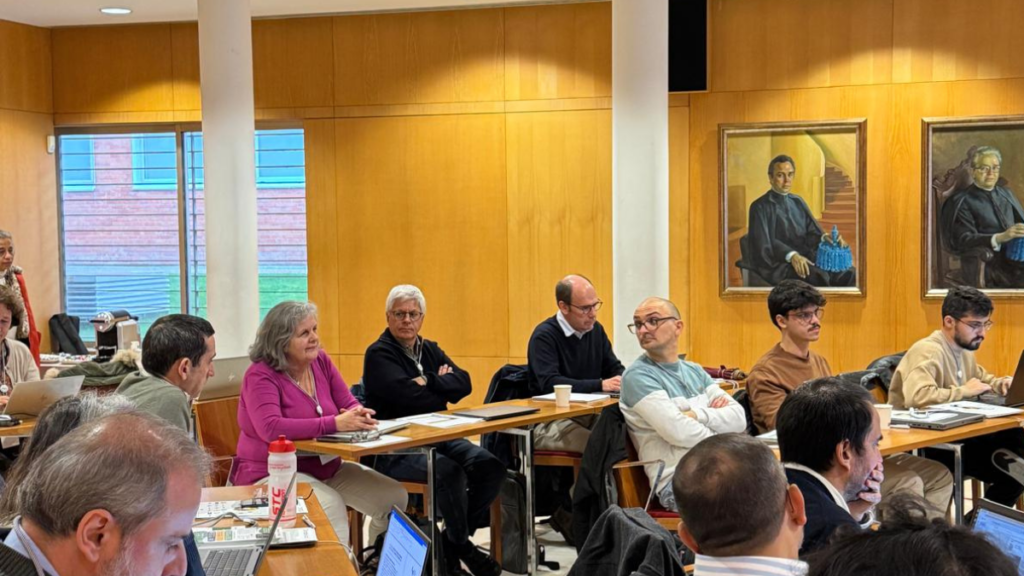
As the third General Assembly comes to a close, Climate-Adapt4EOSC moves forward with reinforced alignment across the consortium, a shared understanding of priorities and a renewed collective commitment to advancing interoperable and sustainable climate adaptation services within the European research and innovation ecosystem. The outcomes of this General Assembly will directly inform upcoming technical developments, stakeholder engagement activities and service deployment across use cases in the months ahead.